

the big D
why 'divorce' shouldn't be a dirty word, and why more and more millennials are doing it

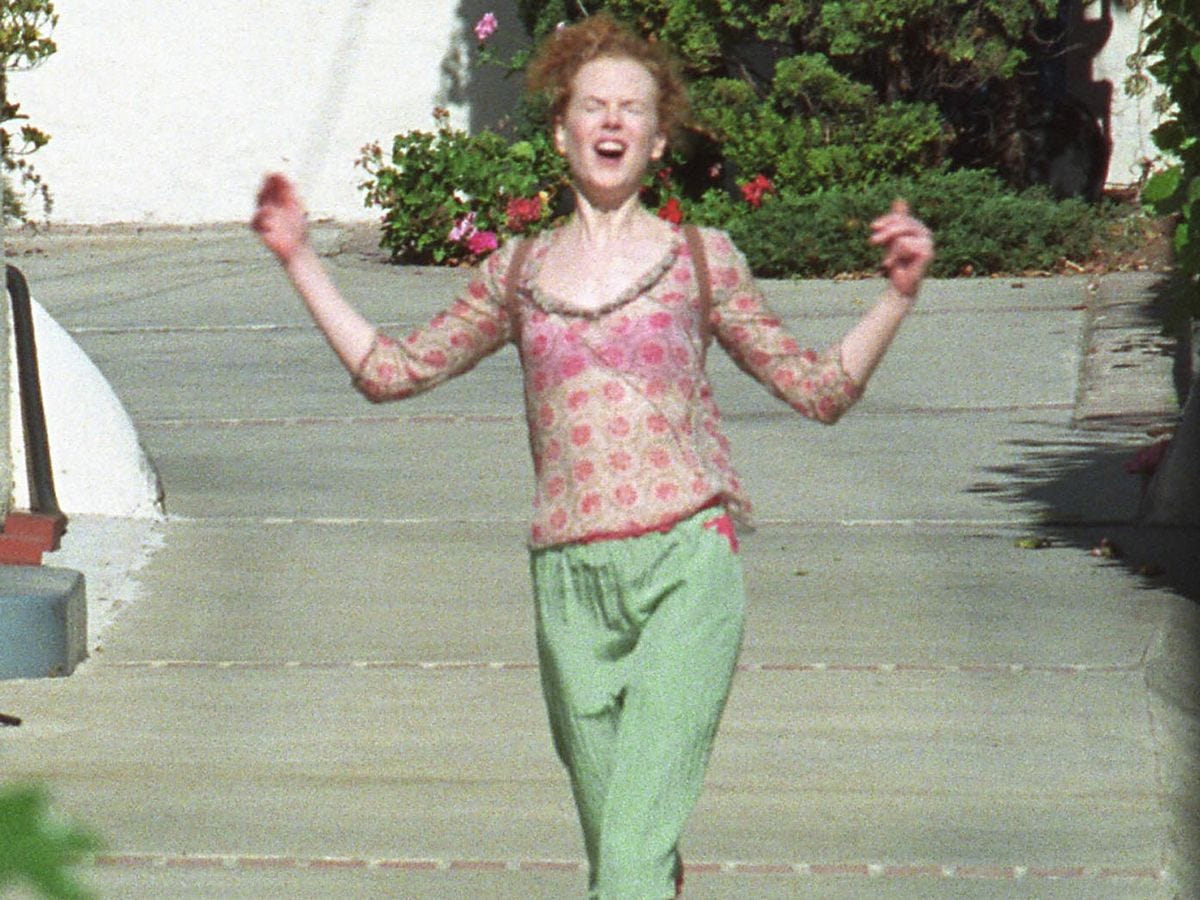
The paparazzi photos of Nicole Kidman screaming with joy in a lawyer’s office car park after finalising her divorce from Tom Cruise in 2001 are absolutely iconic. With her arms thrown wide and face turned to the sun, she exudes the triumphant relief someone only feels when they finally escape a horribly draining situation. Quitting that awful job; walking away from a cheating partner - or even better, chucked their belongings outside, Beyoncé style, in a box to the left.
Getting divorced is almost always the first step someone takes into a new chapter of their life - and it can feel fucking great (see: Nicole). However, despite the fact that in 2020 there were 103,592 divorces in England and Wales, with 63% of those being filed for by women, and women aged 35-39 having the highest divorce rate of any age group**, when I tell people I’m divorced at 35, I’m nearly always met with shock and horror. There’s a moment of confusion, when the person I’m talking to looks me up and down, as if to question if I’m really 35, or to work out if I’m joking. Similarly to when you mention a death in the family, their reaction is grim-faced, apologetic and consolatory; they quiz me as to ‘what went wrong?’ and almost immediately assume somebody cheated. There’s an unspoken implication that divorce must be punishment for a crime. When I explain that it was an amicable separation, that I’m still close friends with my ex and that we lived together for 18 months after splitting up, their confusion only gets deeper. People struggle to get their heads around the idea that divorce can be a good thing, but they can’t be blamed for that - it’s a result of years of social conditioning.
I grew up surrounded by pop culture that was steeped in the idea that love is forever. Songs, TV shows and movies were either about finding your soulmate, or, if you’d lost them, getting them back. We are the generation of Titanic, The Notebook, and Twilight, for god’s sake. Every teen film ended with a long-awaited snog under the fairylights at prom, and as far as divorce went, we’d go to Parent Trap lengths to fix it. Divorce was something our parents did, something traumatic, steeped in conflict, to be avoided at all costs.

I got the memo; I watched the TV shows with teenagers acting out because they were upset about their parents splitting up [see: Effy from Skins going on a self-destructive rampage of sex, drugs and casual crime after catching her mum cheating on her dad]. I saw my friends at school shuttling between their parents' houses every other weekend, and how much they hated it. When I met my future husband, I was 26 and he was 20, still finishing his degree. His parents were in the process of separating, which they revealed to him during a five-hour journey home for the Christmas holidays. I’ll never forget the phone call I received when he finally got out of that car. He wasn’t even my boyfriend at that point, but I was the person he chose to call in a moment of acute distress. He was heartbroken; in his mind, divorce instantly became the most revolting thing: something he vowed he would never, ever do. I also never wanted to experience it, but I wasn’t particularly fussed about getting married in the first place. As a teenager, I’d sworn it wasn’t something I’d ever do, along with having babies and other traditional family activities, etc. But then I fell madly in love, and everything changed.
We fell so hard, so quickly, that the idea of ever splitting up, let alone getting divorced, was hilarious, because it was absolutely unthinkable. Our relationship was imbued with certainty: this was it, forever, and the love was ecstatic, painful, overwhelming. Even when things were hard, it was only because we loved each other so much, the pain of being apart too much to bear. I’d never been happier than waking up on the morning of my wedding day, listening to some classic mid-2000s emo as we laid in bed watching the sun rise outside our hotel room window, illuminating the Las Vegas Strip and the suburbs beyond. The Strip looks different in the day, more beautiful in its pale, faded glamour than the obvious glitz of its nighttime razzle dazzle. We wed at noon, in Cupid’s Chapel, just the two of us. I carried a bouquet of fake flowers and watched a cooking show playing on the TV in the chapel’s reception right before I went to vow undying love to the man waiting for me, both of us shaking, crying and completely infatuated not only with each other, but with the idea of love. We went straight from the chapel to get tattooed, still dressed in our wedding finery, and ate veggie burgers for our wedding breakfast. To us, that day was perfect. He wasn’t just everything I’d always dreamed of - he was, simply, everything. All I could see. For the rest of my life.
It was the morning after, on our way home at the airport that one of us made the first divorce joke. We were having one of those normal couple squabbles, annoying each other in the queue for security, when somebody mentioned they had ‘the D papers’ in their back pocket, ready to go at any time. We fell about laughing, and that joke stuck with us, repeating throughout our entire relationship… until it stopped being funny.

[walking off into the sunset (forever?) on our actual wedding day. Photo by Forged in the North]
When our marriage started to break down, four years later, we fought hard to save it. It felt unfathomable to simply walk away, to give up on what we thought was forever, especially when we were still young and relative newlyweds in the grand scheme of things. The ties of marriage acted as chains around us, keeping us trapped in a relationship that had exploded like a firework before fizzling to nothing. By fighting for it, we made ourselves utterly and completely miserable. In hindsight, I wish I’d had the courage to walk away at least a year earlier than I did, but it took me months of therapy and processing to reach the point where I was ready to do so.
It was only as I emerged from the emotional fallout that the feminist part of my brain started to pick apart the reasons why I had stayed in the relationship longer than I needed to; it wasn’t only because I still cared about my ex, but also because of the shame and stigma that is wrapped up in divorce, particularly divorce under 40. There were levels upon levels of it; the usual sense of failure we feel whenever something doesn’t go to plan, the sense of being judged by others, especially family and friends, and possibly worse, by strangers. As usual, chuck a bit of social media pressure into an already horrible situation and it’s guaranteed to make everything worse. I’m now horrified that one of my thoughts in the immediate aftermath of the breakup was that I didn’t want my husband to post about it on Instagram. We were a couple who’d shared a lot about our relationship online. People knew us as a pair, and we’d both become relatively well known in our creative fields during the course of our relationship, so as a result, we were viewed as an infallible unit. I detest the phrase couple goals, but in Instagram terms, we were called exactly that. In the end, neither of us even referenced the split online until months and months afterwards, and I’m still grossed out by the idea that I was worried what ‘people on the Internet’ would think, because that shame is the last thing anyone needs when prying themselves out from the rubble of a broken heart. Speaking to fellow young divorcees, shame appears to be a running theme in our experiences.
Jess* is a 34-year old personal trainer who divorced at 27. “It was my choice to divorce. I fell out of love with with my ex - it was painful to realise I’d married my friend as opposed to my soulmate, but there was no spark there. Being married made leaving the relationship much more difficult.” The shame she felt about the breakup was “magnified massively by the outdated views of my mother, who believes marriage is for life and that I should have worked a lot harder at it.” Jess is now in a new relationship, and chooses not to tell people she is divorced. “They are always shocked because I’m perceived as so young.”
Tom*, who is 24 and works as a nurse in A&E, got married at 22 and separated from his partner within a year. “We had only been together a year and a half. It was all very rushed and I felt like I didn't really have a choice. It was a terrible relationship by the end and an even worse split.” He struggles to tell people about what happened because “people often think I'm joking. It's great to bring up in drinking games... ‘never have I ever been divorced!’”
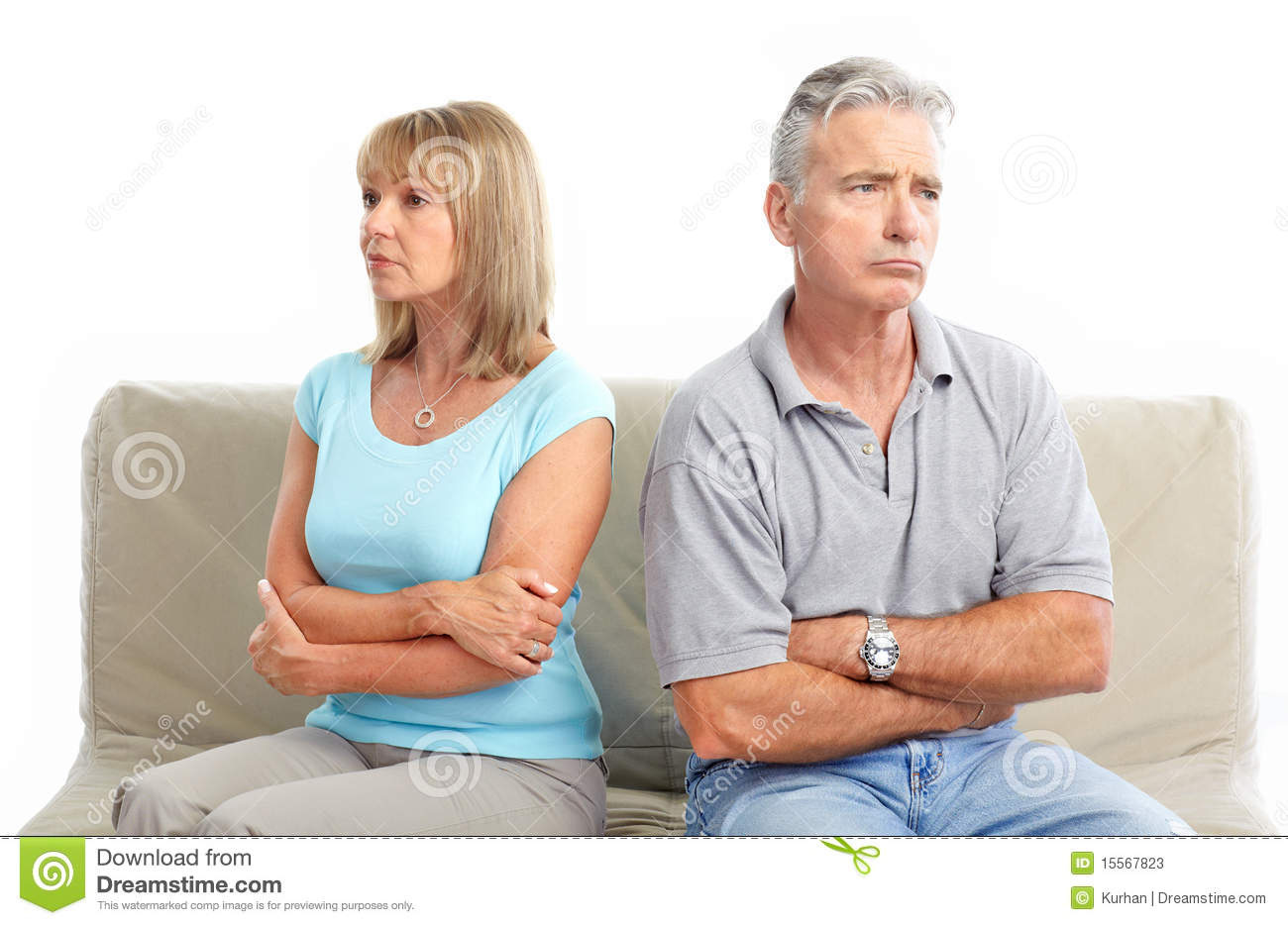
[lolling at what happens when you Google ‘divorce stock photo’]
For the LGBTQI+ community, there are added levels of perceived pressure, and a sense of responsibility ‘not to fail’. Vicki, 31, is queer and works as an LGBTQI+ independent domestic violence advisor. She married at 25 and divorced at 28, having experienced domestic abuse in her own relationship: “I felt a lot of shame and like a failure, especially in relation to my family. I imagined that they found coming to a queer wedding ‘strange’ and I worried a lot about them not taking LGBTQI+ marriage seriously seeing how soon my ex-partner and I separated after we married (6 months). It was felt by some in society that LGBTQI+ people being able to marry made ‘a mockery of marriage’ and I felt ashamed that I may be validating that opinion, even though it is, of course, untrue.”
Along with unnecessary shame, another overlapping experience of divorce under 40 (and divorce at any age) is the idea that no matter how bad a relationship is, if it’s a marriage, it’s worth fighting for. This thought process, like a lot of the leftover hang ups we’ve inherited from previous generations, might not be serving us all that well. When we’re convinced divorce is a failing - a dirty word - and that marriage is something to be preserved, we stay trapped in relationships that aren’t healthy for longer than we need to, convinced that we have to ‘make it work’ and ‘save the marriage’ as if marriage as an institution, as a concept, is worth prioritising over our individual wellbeing. Decisions and conclusions about a relationship take much longer to reach within the confines of a marriage because it’s no longer simply about walking away, or doing what’s best for both of you. Tom experienced this during his split: “The fact that we were married gave the breakup higher stakes,” he says, especially for his partner. Despite the abusive nature of her marriage, Vicki also felt intense pressure to succeed on behalf of her community. “Being married meant that I stayed in the relationship longer as I felt ashamed for thinking about ‘giving up’. Especially as it was an LGBTQ+ marriage so I felt like I was ‘letting the side down’ as it was something that our community had fought so hard for, for so long. If I had been unmarried, I believe I would have left sooner as it would have felt as though there was less stigma and shame. With hindsight, I’m sad that I felt this way and that I felt too ashamed to leave sooner.”
The overwhelming upheaval that comes with ending even a short marriage can be intimidating enough to stop people doing just that. Some would argue that this is exactly the point of marriage: to stop us leaving too soon, or making rash decisions. Having lived through it, I now can’t believe I ever let the government get involved in my relationship, that I ended up in the position where I had to ask permission from the legal system to make a decision about my future. I appreciate there are legal and financial benefits to being married, but these seem to be outweighed by the hoops we have to jump through in order to be rid of them. Luckily, my amicable separation meant I didn’t have to pay for a solicitor and have done all the divorce paperwork myself, but with the court fees, splitting up from my husband has still cost me over £750.
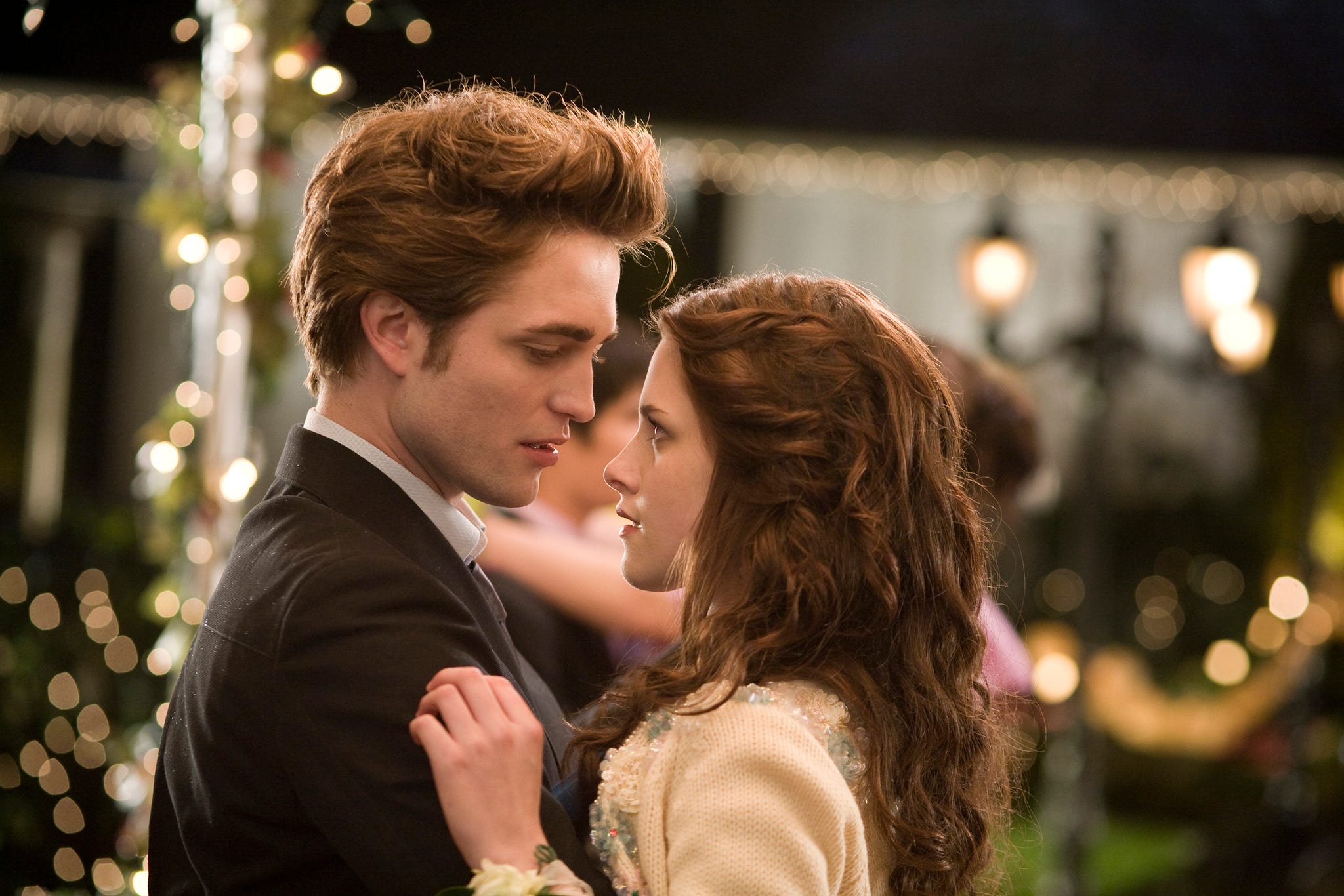
[these two have got a lot to fucking answer for, that’s all I’m saying]
My overarching takeaway from having lived through my own, albeit amicable-ish, divorce is that I’m so glad I had the courage to take control over my own life again. To cut through the shame and social stigma, the fear of failure and general embarrassment, to save myself - and my ex-partner - from a relationship that was making us both unhappy. I’ve come away believing that divorce is always a positive life choice, even if it feels hard at the time. After his own separation, Tom realised that “we both hurt each other a lot and clearly weren't ready for the seriousness our relationship evolved into. But I definitely had a feeling of relief to be out of the toxic situation and moving on with my life.” Looking back on her divorce, Jess has some regrets, but they are counterbalanced by the way she feels now: “I do wish I could take away the pain I caused (my ex), but sometimes you need to be selfish. It would have been crueller for me to stay with him forever and be unhappy. He deserved more than that and so do I.”
Of course there are those who are not the ones making the decision to split. The ones who are surprised with divorce papers or admissions of cheating, whose hearts are broken by their partner’s choice. However, I’m slightly sick of the heartbreak narrative, to be brutally honest. I understand the pain of it; I’ve experienced it, it’s very real. I cried, watching episode upon episode of New Girl, for 36 hours straight, immediately after my husband and I made the call. I’ve experienced waves of bereavement ever since, but I don’t believe the bitter, cynical, heartbreaking stereotype of divorce is useful, in any way. Even if it hurts, even if it’s the cruellest, most violently unexpected breakup, it’s still a positive thing: the other person left because they no longer wanted to commit to the contract they had made. They didn’t want to stay in a relationship anymore, so they made the appropriate moves - yet because that involves ending a marriage, it’s seen as a terrible thing. Again, the very concept of marriage is seen as the most sacred entity, not to be violated. Marriage itself is the third person. Never mind that by leaving, the person is saving their partner from a continued life of mistruths, of a relationship that isn’t real and therefore, in the long run, doing them a massive favour. It’s hard to recalibrate our thinking on this, but ultimately, divorce is always a good thing. When I was first opening up about the end of my marriage, looking for the answers and scared of what would come next, an older, wiser friend of mine, who has lived through this herself, told me something that has stayed with me throughout the process. “I don’t know anyone,” she said, “who regrets their divorce.”
“Getting a divorce is one of the best decisions I have ever made and one of the greatest things I have ever done for myself. I am no longer ashamed of being divorced. The only shameful thing about divorce is society’s views on it. A demonstration of this is that I found it harder to get a divorce than I did to get married,” says Vicki.
Whilst I wasn’t rejoicing in a car park, I was relieved to finally sign my divorce papers, which I did in the pub with my ex-husband, after we’d had dinner and a bittersweet reminisce. I’m grateful for the experience we shared, the love we had, the friendship we’re now forming, and the fact that I’ll never legally bind myself to another human, ever again. I’m also on a mission to rewrite the narrative around divorce, and to reclaim it as a positive, empowering decision, especially for women. The best response I’ve had so far to divorce disclosure was from a new friend, who after I told her, said “Good for you. Congratulations.”
**data taken from the Office of National Statistics divorce records for 2020 and 2019
*names have been changed on request